AEROSPACE eVTOL supply chain
The future is vertical
PAUL ADAMS, Head of Aerospace and Defence at consultancy Vendigital, considers recent developments in the UK to accelerate the future of urban air mobility. How will these tech disruptors transform existing aerospace supply chains?
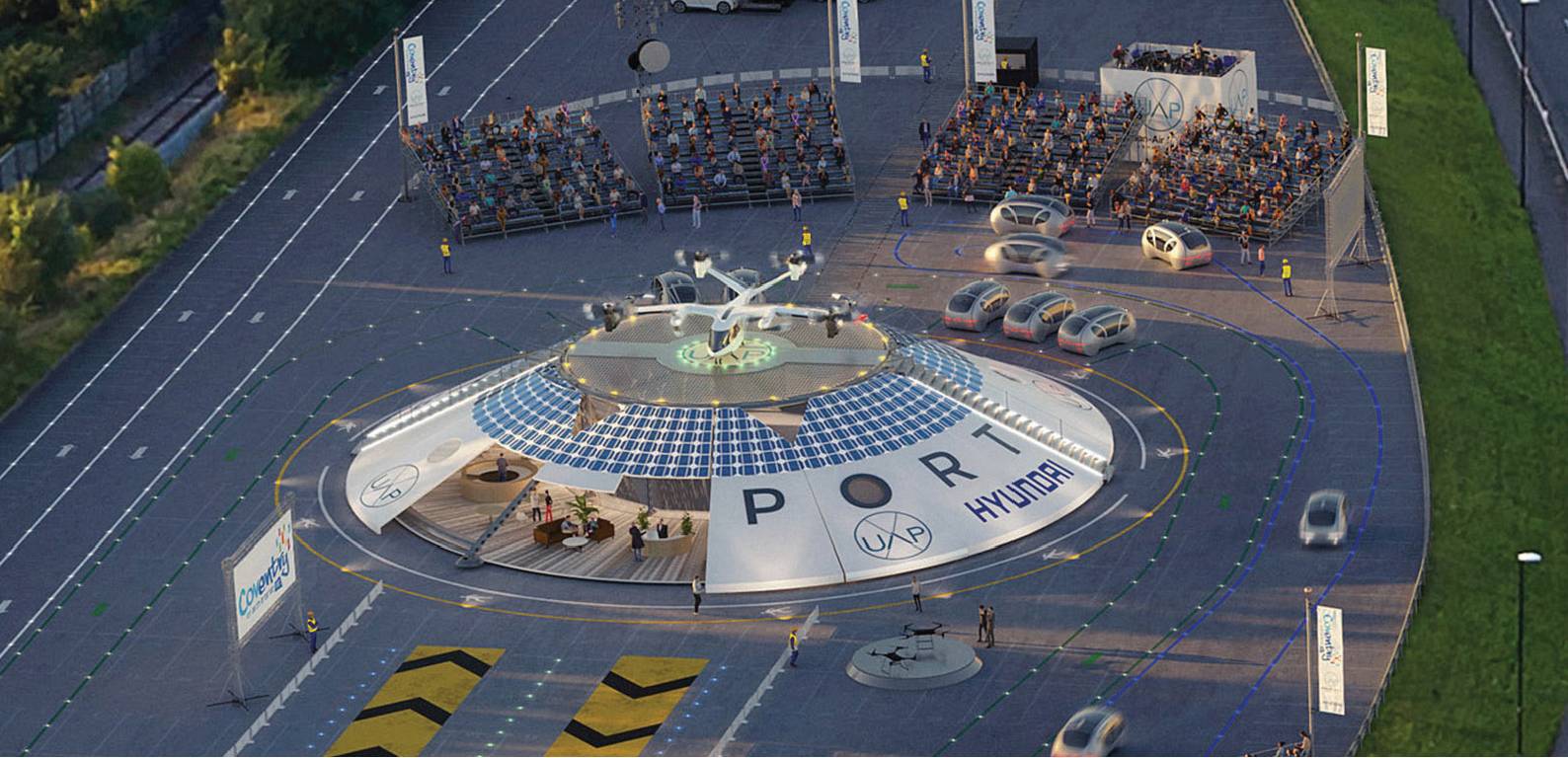 The world’s first eVTOL hub to be built in Coventry. Urban Air Port
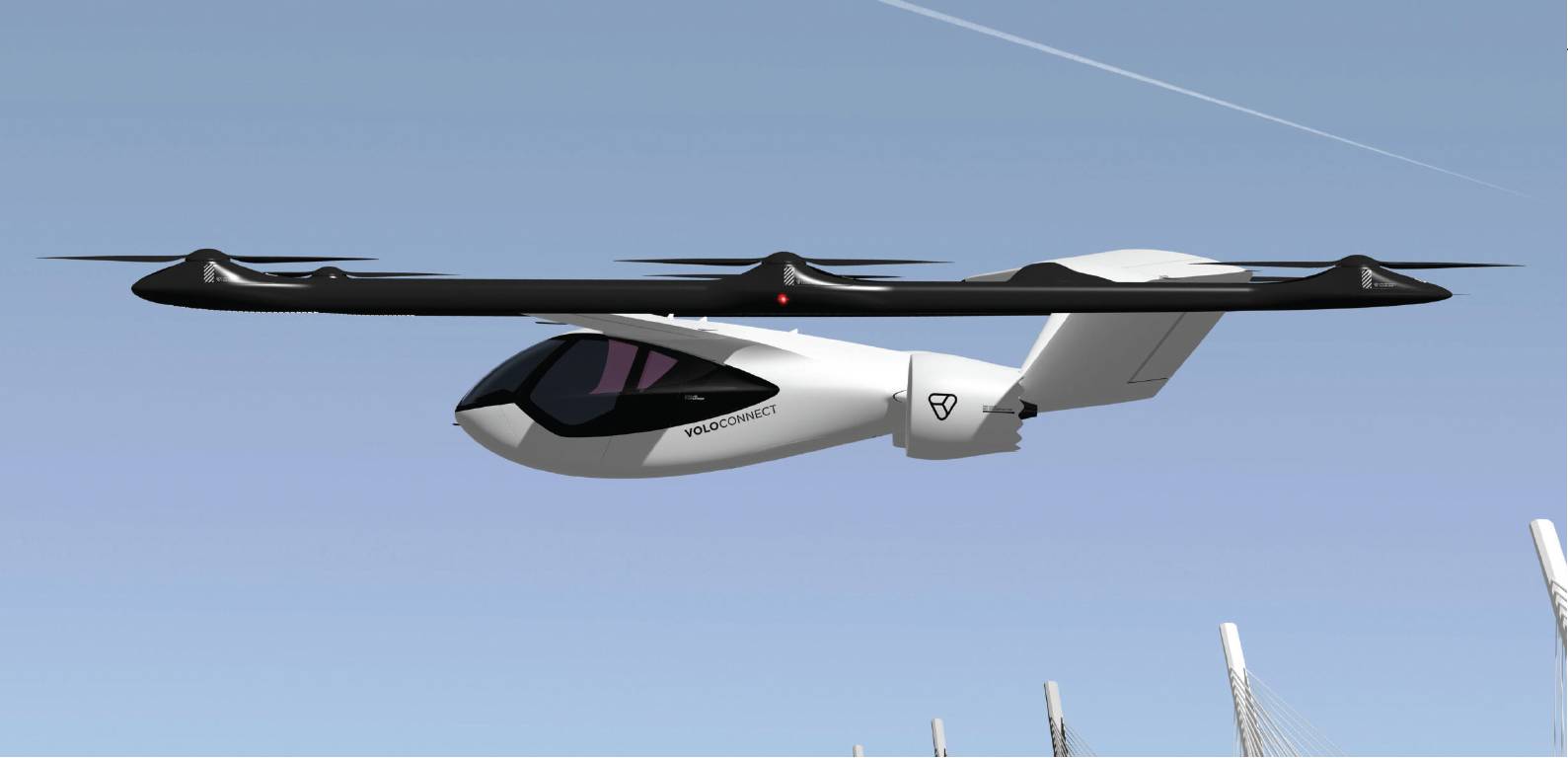
The UK government’s recent decision to back the world’s first urban air mobility hub in Coventry is a sign that the eVTOL (electric vertical take-off and landing) future of aviation has moved a step closer. So, should the industry be considering a pivot and how could it achieve this in a cost-efficient way? While the idea of ‘flying taxis’ may still sound futuristic, the plans for Urban Air Port Air-One could help to build significant momentum behind the eVTOL trend. With large aerospace projects generally requiring significant amounts of funding and investment in supporting infrastructure to get off the ground, the development also sends a strong message that the government is committed to making this vision for public mobility a reality. With NASA claiming that urban air mobility in the US alone could be worth up to £375bn in the near-term, it is clear that developments in the field of eVTOL could offer a significant commercial opportunity for the aviation industry. Representing a hybrid between traditional commercial aircraft and autonomous vehicles, the use of technologies, such as air taxis has the potential to radically transform the way we travel and live.
For example, as well as reducing passenger journey times and improving connectivity between UK cities, the use of cargo drones could accelerate the growth of e-commerce and the rise of the on-demand economy experienced during the pandemic. Drones also have the potential to improve levels of health and safety in the workplace by removing the need for humans to perform dangerous tasks, such as abseiling to scan oil and gas infrastructure during general maintenance processes.
With passenger numbers still only representing a fraction of what they were before the pandemic, the aerospace and aviation industry must waste no time in considering what its future looks like. A key part of this will involve thinking through how to reconcile traditional aircraft with the urgent need to achieve net zero targets in the coming years. Pivoting to the eVTOL trend could provide one route path to realising the sector’s carbon reduction goals.
One of the key challenges involved in a successful transition to eVTOL is the complex international nature of current air traffic and travel regulations. While aviation industry regulations should certainly be viewed as one of the industry’s pillars of strength compared to other areas of UK transportation, it is still important to recognise that this is a hugely complicated area. In particular, the question of how legislation will have to evolve to enable aviation to interact more closely with the urban environment will need careful consideration.